
What Kind of Jobs Do Mobile Welders Do?
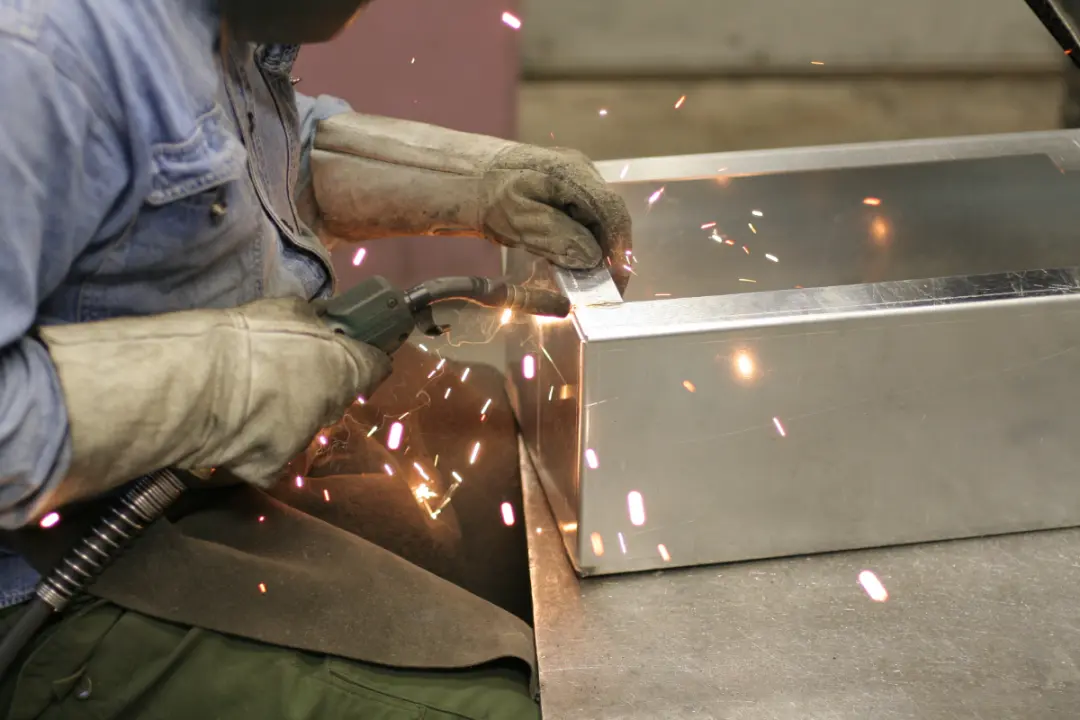
A mobile welder carries out suitable welding jobs at the customer’s location. Common work includes repairing gates, adapting metalwork and completing approved connections on construction projects. This guide explains when mobile welding services are useful and what to check before you hire a welder.
The welding industry covers repair, fabrication and specialist engineering. A mobile welding business brings selected services to the site rather than asking clients to transport every item to a workshop. The scope depends on the welder’s experience, equipment and qualifications.
Today, we explain the role of a mobile welder, the practical limits of on-site welding and the details needed to plan a successful project.
Why Choose a Mobile Welder?
Agree the Cost Before Work Starts
Ask for a written quote that explains labour, travel, materials and any minimum charge. A mobile welder does not automatically offer lower prices or a free call-out. Agree how additional repair work will be authorised so both parties understand what customers will pay.
Prioritise the Work
A mobile welder can assess the repair at its working location and discuss priorities with your team. For a project involving several damaged parts, agree which work is required first. Safety and the condition of the equipment should determine the order, rather than pressure to complete everything in one day.
Services at Your Property
Large gates, fixed railings and installed metalwork can be difficult or expensive to move. Mobile welding can reduce that handling when the site provides safe access and suitable working conditions.
Before a mobile welder arrives at a building site or domestic property, confirm the setup, power supply and work area. The welder needs to know which welding equipment and controls are required; a mobile service cannot operate safely in every location.
Plan the Appointment
Availability varies between companies. Agree a schedule that accounts for site access, other contractors and the hours when noisy or hot work can take place. A mobile welder should confirm any preparation needed before the appointment.
Mobile welding may save the travel involved in taking an item to a shop, but the welder still needs time to reach the site and set up. Ask whether travel and generators are included in the price.
For urgent repair work, explain the situation and expected downtime. Do not assume same-day services are available. Some projects require parts, drawings or approval before a safe repair can start.
Measurements and Fit
Photos help a mobile welder understand the problem, but measurements taken on site can reveal alignment, access and connection details that are hidden in a picture.
A qualified or certified welder should provide evidence relevant to the welding work. Certifications do not by themselves guarantee accurate measurements or suitability for every welding process.
Clear drawings and a site assessment help the team fabricate components that fit. Clients should agree dimensions, finish and acceptance requirements before work begins.
What Is a Mobile Welder?
A mobile welder is a tradesperson who brings appropriate equipment to an agreed site. They may work independently or as part of a larger fabrication team. Being mobile describes the way the service is delivered, rather than a single qualification.
The trade requires practical knowledge of materials, welding methods and safe working. Professional welders may specialise in structural steel, machinery repair or decorative metalwork, with different experience required for each type of job.
Mobile welding services can provide convenience where an item cannot easily be moved. The contractor must still assess whether the work is better suited to a controlled workshop environment.
Many mobile welders serve commercial and domestic clients within an agreed area. Distance, access restrictions and the ability to transport equipment affect the services they can provide.
A van or truck may carry welding machines, consumables and preparation tools. Some contractors use trailers for heavier equipment. Confirm the site can accommodate the vehicle without obstructing people or essential access.
What Do Mobile Welders Do?
A mobile welder can join compatible metal, repair suitable damage and fabricate small assemblies. The range of services depends on the welding machines available and the contractor’s competence. No welder should be assumed qualified for every material or industry.
Different welding methods serve different needs. Ask which process is proposed for your project and why it suits the material, thickness and working conditions.
TIG welding can suit work needing careful control, including suitable thin materials and visible joints. It uses a tungsten electrode and shielding gas.
MIG welding feeds wire into the joint. Shielding needs protection from wind, so a mobile welder must assess outdoor conditions before using MIG on site.
Stick welding, also called SMAW, uses a flux-coated electrode. It can be practical for some outdoor work, but joint preparation, position and the approved procedure still matter.
Custom fabrication can create brackets, supports and other specified parts. The drawing should identify dimensions, material grade and any inspection required.
Gates, handrails and balustrades may need repair or adaptation. The welder must consider the structure, finish and way the item will be used.
Structural steel welding on construction projects needs the engineer’s approved details and appropriate quality controls. Structural repairs should not proceed on guesswork.
Common Mobile Welding Jobs
Mobile welding supports several areas of industry, but there is no basis for assuming mobile welders are always the highest paid or most experienced. Clients should assess candidates against the actual project, including repair history and relevant certifications.
The examples below show common trade work. Confirm the contractor’s scope before booking, especially where equipment carries loads or protects people.
Trailer Maintenance and Repair
A mobile welder may repair approved parts of trailers where the damage and material are suitable. Angle grinders and other preparation tools can remove damaged material or prepare a joint, but the repair method must follow the assessment. Cracks can indicate fatigue or overload; covering a crack with weld does not address its cause.
Trailer jack replacements and chassis repairs require attention to load paths and manufacturer guidance. A mobile welder should determine whether repair is appropriate or whether replacement is required. Road-going trailers may need further inspection before they return to service.
Machinery and Heavy Equipment Repairs
Mobile welding can reduce downtime when a suitable repair can be completed where machinery stands. Heavy equipment such as bulldozers may involve high-strength materials or safety-critical parts. Mechanics, operators and the welding team should coordinate isolation and manufacturer-approved repair details rather than assume every damaged component is weldable.
Gates and Fence Fabrication
A mobile welder can help repair gates or assemble specified fences. A fence post, fixing and foundation all affect stability, so welding is only part of the project. Mild steel may need surface preparation and a protective finish after fabrication; painting or coating should be agreed rather than assumed included.
Handrails and Railing Alterations
Railings can need replacement sections, extensions or changes to connections. The mobile welder should check dimensions, fixing strength and corrosion before completing the repair. Where a railing protects against a fall, its design and inspection deserve particular attention.

How to Prepare the Site for Mobile Welding
A useful enquiry gives the mobile welder the material, approximate size, damage and intended use. Include clear photos from more than one angle and explain whether the item can move. If you have drawings or a previous repair record, provide them before the visit. This helps the welder pick appropriate equipment and assess whether another specialist is needed.
The setup needs enough space for equipment, screens and safe movement. Tell the contractor about nearby occupants, public access, combustible materials and any oil or fuel contamination. Welding should not take place on inadequately assessed tanks or containers. Water, wet surfaces and electrical hazards also need consideration.
For a construction site, coordinate with the site manager. The project may require an agreed method statement, hot-work permit and fire precautions. Security and temporary barriers help keep other people away from the working area, allowing the welder to focus on the agreed task.
Power, Generators and Outdoor Conditions
Some mobile welding machines use a suitable site supply; others can use compatible generators. A domestic socket is not automatically sufficient. The mobile welder should confirm the power requirements and bring a setup appropriate to the equipment and planned welding process.
Generator exhaust, noise and safe positioning must be considered. A truck-mounted system still needs space and suitable ground conditions. Additionally, wind can disrupt shielding gas, while rain may prevent the planned work from proceeding safely. Flexibility in the schedule helps manage these limitations.
Outdoor work is a practical challenge rather than a guarantee of speed. A controlled workshop may provide better conditions for precision fabrication or finishing. The best choice depends on whether the site can support quality welding without compromising safety.
Qualifications, Procedures and Inspection
When you hire a mobile welder, ask about experience with the same material and type of connection. For safety-critical work, check the applicable qualification, approved procedure and inspection plan. A qualification has a defined scope; it does not certify every welding method, position or material.
TWI, widely known as The Welding Institute, provides technical information about welding and joining. Its guidance can help clients understand terminology, but reading a technical page does not replace a competent assessment. The importance of professional judgement increases when the repair affects a load-bearing structure.
Agree what records the contractor will provide. The project may need visual examination, dimensional checks or further testing specified by the responsible engineer. Ensuring the repair meets the approved requirements is more useful than judging quality only by how smooth a weld looks.
Current Safety Figures and Why Planning Matters
HSE’s latest provisional figures record 126 workers killed in work-related accidents in Great Britain in 2025/26. Construction accounted for 25 deaths and manufacturing for 18. These are industry-wide figures, not mobile welding accident rates, and HSE says they will be finalised in July 2027.
The figures underline the need to plan site work carefully. They do not establish that mobile welding is more or less dangerous than workshop welding. Each project needs controls based on its actual hazards, including moving machinery, fire, access and exposure to fumes.
HSE states that all welding fume can cause lung cancer. A mobile welder needs suitable exposure controls for the task, including outdoor work. Clients should discuss the proposed controls and how surrounding workers will be protected; working in the open air does not remove the need for an assessment.
Mobile Welding Costs, Lead Times and Value
The cost of mobile welding depends on travel, setup, materials, labour and inspection. A repair that takes a short welding time may still involve substantial preparation. Ask whether the price covers consumables, generators, finishing and any follow-up visit. State the currency and tax treatment when comparing quotations from different suppliers.
Mobile work can save money where dismantling and transport would be expensive, but it is not always the cheapest option. Consider the whole project budget, including downtime and the reliability expected after repair. If you cannot afford repeated breakdowns, a replacement component may offer better value than another temporary repair.
Some services can be booked within a week, while others need longer for parts or approvals. Confirm the actual lead time with the supplier. Keeping maintenance records over the years can help identify recurring problems and extend equipment life where an approved repair is appropriate.
Questions to Ask Before You Hire a Mobile Welder
Ask whether the contractor has completed comparable work, which materials they can weld and what inspection is included. Find out whether the repair needs design approval and who will arrange it. A clear answer helps you choose services that match the required level of performance.
Explain what must stay in place, what can be removed and whether the equipment can be isolated. Agree responsibility for lifting, access equipment and reinstating protective finishes. The difference between a straightforward bracket repair and a critical structural repair can be substantial.
Before work starts, make sure the written scope reflects what has been discussed. After completion, read the handover information and confirm any restrictions before putting the equipment back into use. A good repair should meet the agreed acceptance criteria and help the asset remain useful for years.
Sources for Site Welding and Safety
Technical guidance and statistics checked in October 2026. HSE’s 2025/26 fatal injury figures are provisional and cover Great Britain. They are included as context for planning site work, rather than as a measure of welding-specific risk.
For welding services in Margate, Broadstairs and surrounding areas, contact Faraday Fabrications today. Share photos, drawings and the site location so we can discuss the project and whether mobile welding is appropriate. Ask our team to confirm availability, services and the information required before booking.